November 19, 2026
Hailstorms can cause significant damage to residential roofs, yet identifying the warning signs is not always straightforward. While some damage is immediately visible, other problems develop beneath the surface and gradually compromise roofing materials. Understanding when repairs are sufficient and when replacement becomes necessary helps homeowners protect their properties.
Homeowners often underestimate the potential harm hail can inflict, allowing untreated damage to worsen over time. Seeking a professional roofing service after severe weather can help identify hidden problems before they become expensive structural concerns. Prompt evaluations also provide valuable documentation when filing insurance claims.
Understanding the Impact of Hailstorms on Roofs
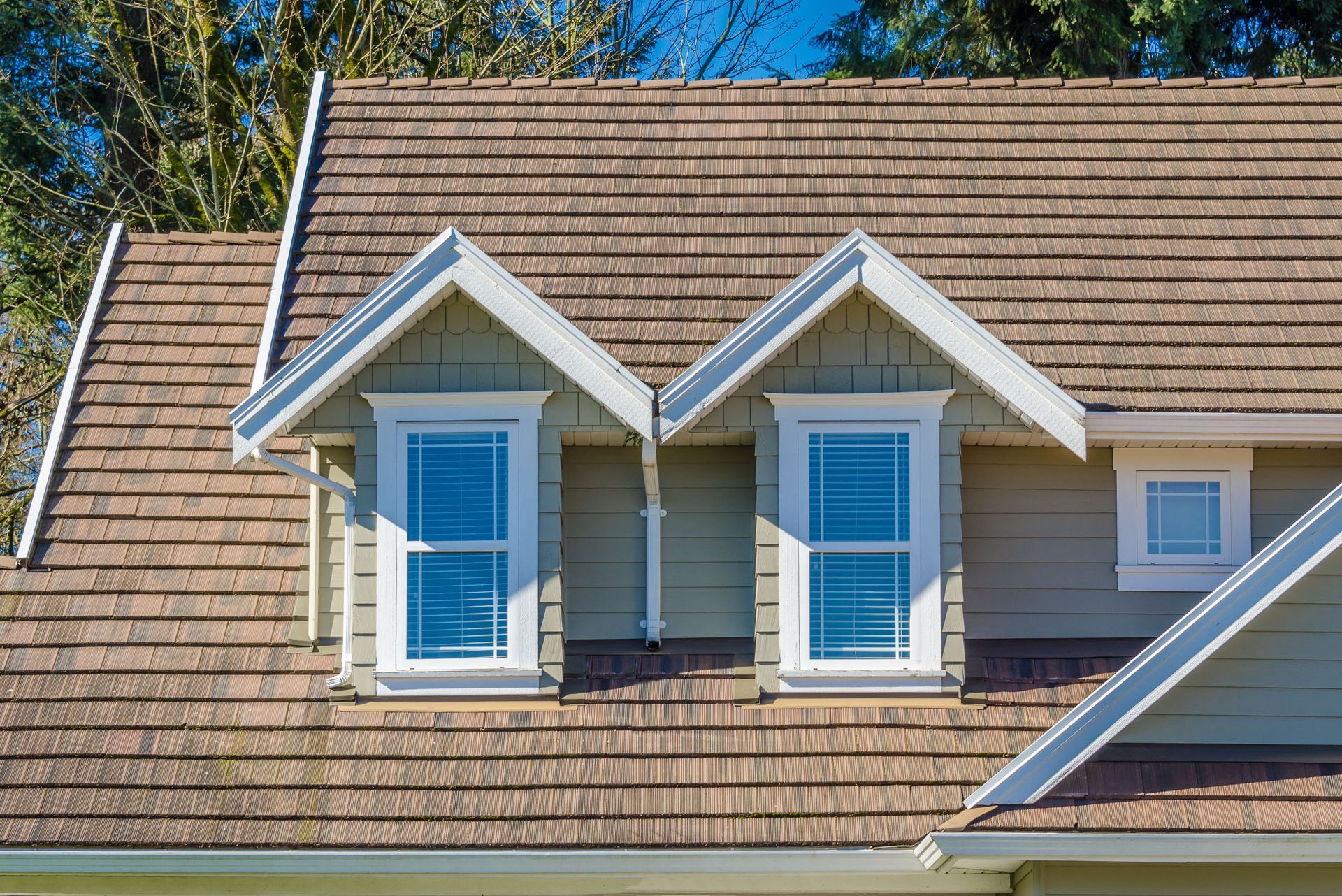
Hailstorms affect roofing materials differently depending on their composition, age, and condition. Asphalt shingles may develop bruises or lose protective granules, while metal panels can sustain dents. Clay and concrete tiles are particularly vulnerable to cracking under concentrated impacts. Understanding these differences helps homeowners recognize potential damage and determine whether professional attention is necessary.
Damage severity depends on hailstone size, wind speed, storm duration, and roof age. Older materials generally have reduced flexibility and may be more susceptible to deterioration. Even relatively small hailstones can cause problems when accompanied by strong winds. A qualified roofing service can evaluate these conditions and recommend appropriate repairs or replacement based on the roof's overall condition.
Recognizing Visible and Hidden Hail Damage
Visible hail damage frequently includes cracked shingles, dented metal surfaces, missing tiles, and damaged flashing. Homeowners may also notice dark spots, exposed roofing underlayment, or unusual amounts of shingle granules collecting near downspouts. These warning signs indicate that protective materials may have experienced substantial impact during the storm.
Hidden damage can be more concerning because it often remains undetected until leaks develop. Moisture may penetrate compromised shingles and affect decking, insulation, or interior ceilings. Over time, untreated water intrusion can encourage mold growth and wood deterioration. Professional inspections help distinguish cosmetic damage from conditions that threaten the roof's ability to protect the home.
Conducting an Initial Roof Damage Assessment
After a hailstorm, homeowners should begin with a visual inspection from a safe ground-level location. Binoculars can help identify missing shingles, damaged vents, and irregular roofing surfaces without climbing onto the structure. Photographing visible damage provides useful records for future inspections and potential insurance claims. Avoid walking on a damaged roof because weakened materials and slippery surfaces create serious safety hazards.
Examine gutters, downspouts, and surrounding landscaping for additional evidence of hail impact. Excessive granule accumulation may indicate deteriorating asphalt shingles, although normal aging can also cause granule loss. Dented gutters, damaged siding, and broken outdoor fixtures can provide clues about storm intensity. If concerning conditions appear, scheduling a roofing service allows trained professionals to investigate areas that cannot be safely examined from the ground.
Checking Shingles, Flashing, and Roof Ventilation
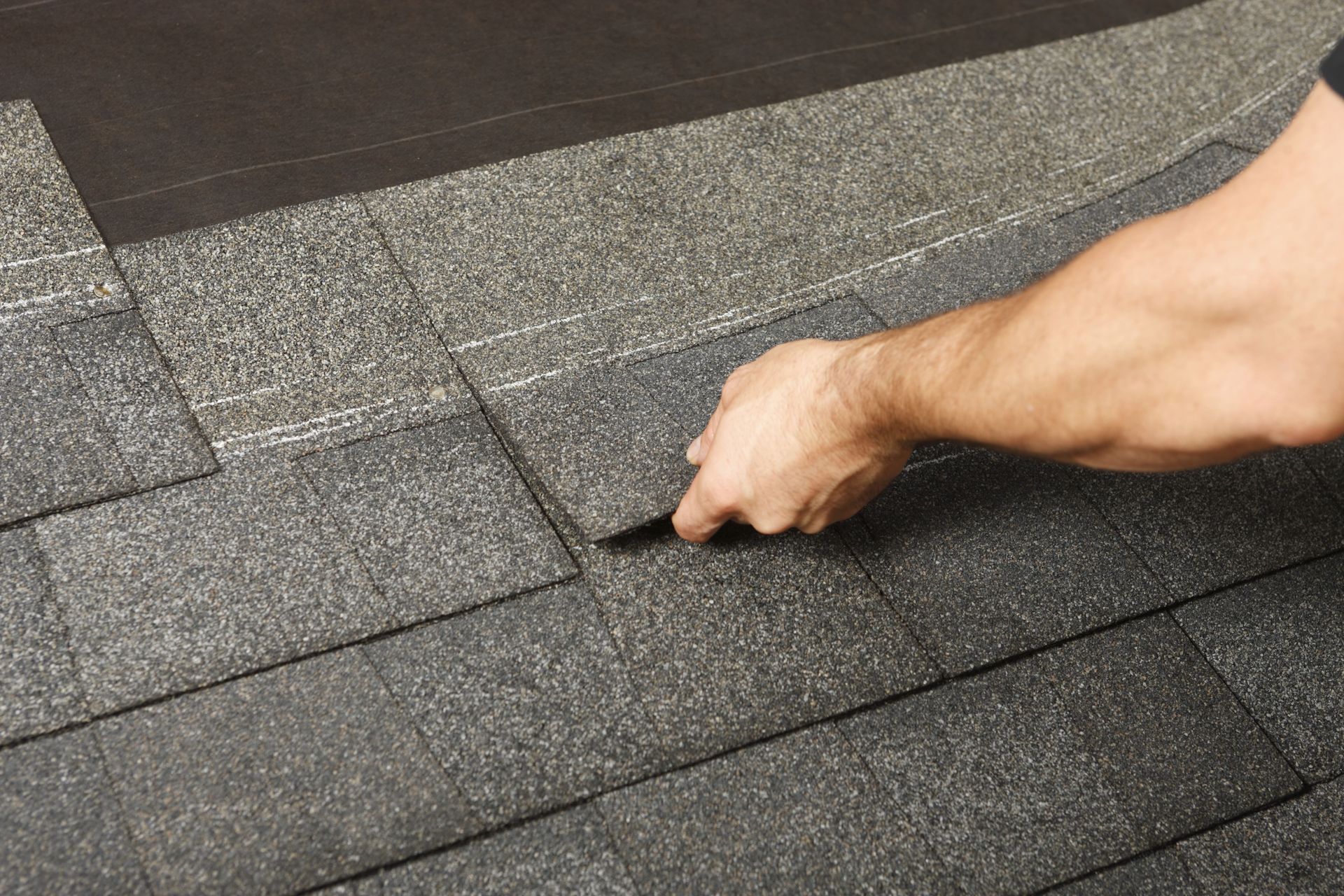
Shingles provide an essential barrier against rain, wind, and environmental exposure. Hail impacts can loosen their adhesive seals, fracture underlying fiberglass mats, or remove protective granules. Missing or displaced shingles expose vulnerable sections of the roof to additional moisture. Homeowners should pay particular attention to uneven shingle patterns and areas where roofing materials appear lifted or curled.
Flashing around chimneys, skylights, and roof penetrations also requires careful evaluation. Damaged flashing can create openings where rainwater enters the structure. Roof vents may develop cracks or dents that compromise ventilation and weather protection. Addressing these components promptly helps maintain proper airflow, reduce moisture accumulation, and prevent localized damage from spreading throughout the roofing system.
Using Professional Techniques to Detect Hidden Problems
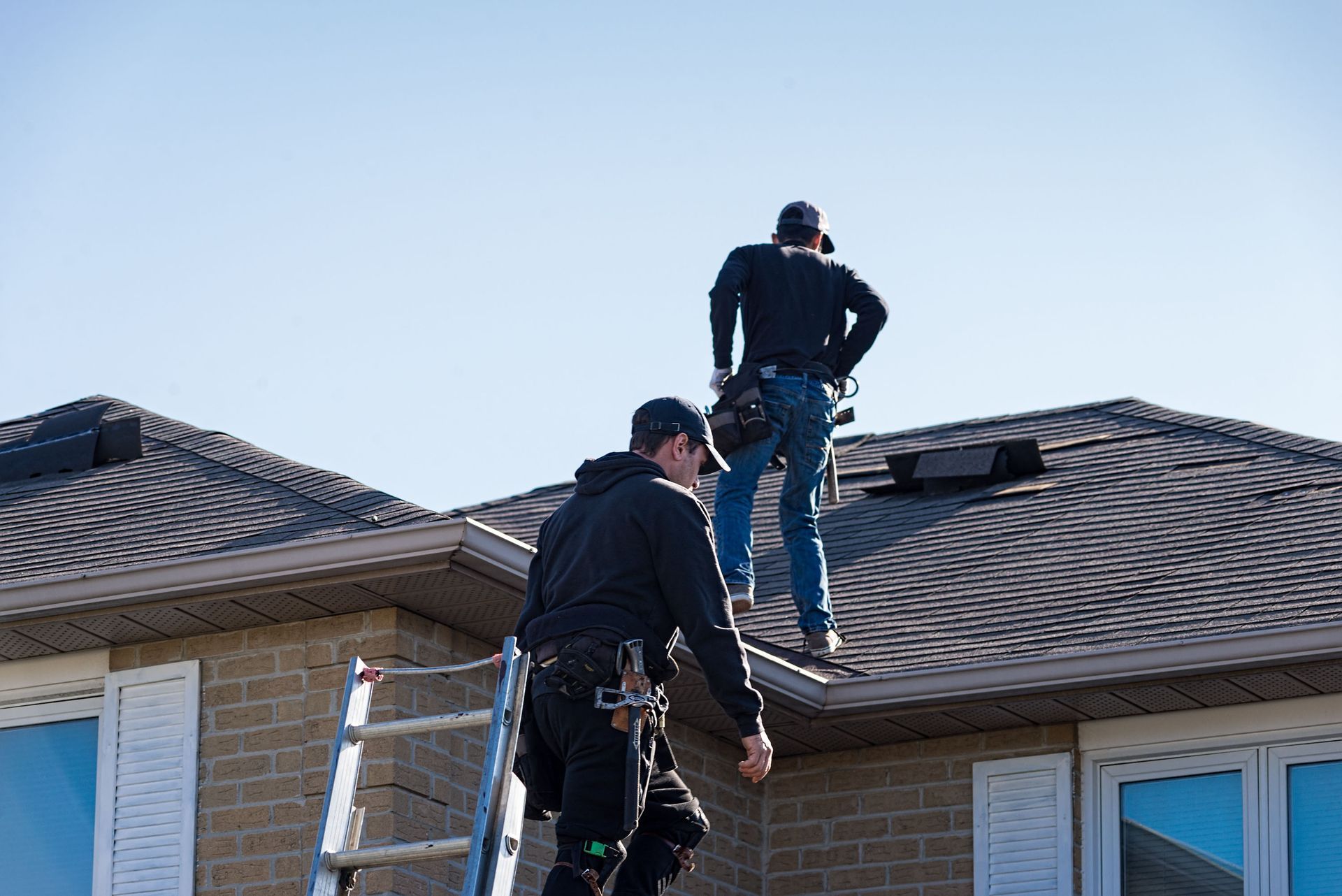
Professional roof inspections involve more than identifying surface imperfections. Contractors examine vulnerable areas, evaluate material deterioration, and investigate possible moisture intrusion. Infrared cameras may help locate temperature differences associated with trapped moisture under suitable conditions. Moisture meters provide additional information about damp materials, although readings require professional interpretation to distinguish actual damage from environmental variations.
Drone technology can also support inspections by capturing detailed images of steep or difficult-to-access roof sections. However, aerial photographs may not reveal every form of hidden damage. An experienced roofing service combines visual observations, appropriate diagnostic equipment, and hands-on assessments when safe. These findings help determine whether isolated repairs will restore adequate protection or whether extensive replacement is justified.
Determining When Roof Replacement Is Necessary
Not every hail-damaged roof requires complete replacement. Minor cosmetic damage or isolated problems may be corrected through targeted repairs. However, widespread shingle deterioration, extensive granule loss, repeated leaks, or compromised decking can make replacement more practical. The roof's age and previous maintenance history also influence the decision because older materials may have limited remaining service life. According to Verisk, 57% of residential properties have roofs 9 years old or newer, compared with 38% in non-hail states, highlighting faster replacement cycles. This comparison emphasizes how frequent hail exposure can influence roofing replacement decisions and the importance of evaluating storm-related damage before problems worsen.
Homeowners should compare repair estimates with the expected lifespan of their existing roof. Repeated repairs can become expensive when deterioration affects multiple sections. A dependable roofing service should explain the inspection findings, identify affected materials, and provide clear recommendations. Understanding the difference between cosmetic imperfections and functional damage helps homeowners avoid unnecessary expenses while maintaining reliable weather protection.
Navigating Insurance Claims After Hail Damage
Homeowners insurance may cover hail-related roof damage, depending on policy terms, exclusions, deductibles, and coverage limitations. Reviewing the policy before submitting a claim helps clarify financial responsibilities. Some policies provide replacement cost coverage, while others calculate payments using actual cash value, which accounts for depreciation. Understanding these distinctions helps homeowners anticipate potential out-of-pocket expenses.
Document visible damage with photographs, inspection reports, and written repair estimates. Maintain records of communications with insurance representatives and contractors throughout the process. During an adjuster's inspection, homeowners can share relevant documentation and identify areas of concern. A professional roofing service can provide detailed findings and estimates that support an accurate evaluation, although the insurer ultimately determines coverage under the policy.
Choosing Durable Roofing Materials for Replacement
Selecting replacement materials involves balancing durability, appearance, installation costs, and regional weather conditions. Asphalt shingles remain popular because of their affordability and design versatility. Metal roofing offers long-term durability and resistance to several environmental hazards, although severe hail can still cause dents. Tile roofing provides distinctive aesthetics but may require additional structural considerations because of its weight.
Impact-resistant roofing products deserve consideration in hail-prone regions. Certain materials undergo standardized impact testing, including UL 2218 classifications, to evaluate their resistance to simulated impacts. Class 4 represents the highest classification under this particular test, but it does not guarantee protection against every hailstorm. Homeowners should compare manufacturer warranties, installation requirements, and expected maintenance needs before selecting materials.
Protecting Your New Roof Through Preventative Maintenance
Preventative maintenance helps preserve roofing performance and identify developing problems before they become extensive. Homeowners should schedule periodic inspections, remove debris from gutters, and address loose materials promptly. Trimming overhanging branches reduces the likelihood of falling limbs damaging shingles during severe weather. Maintaining proper attic ventilation also helps control moisture and temperature fluctuations that can contribute to premature deterioration.
Seasonal inspections are particularly valuable before and after periods of severe weather. A reliable roofing service can evaluate flashing, drainage systems, ventilation components, and visible signs of deterioration. Homeowners should also review warranty requirements because some manufacturers specify maintenance and installation conditions. Keeping detailed service records can support warranty inquiries and provide useful information when planning future repairs.
Choosing durable materials and maintaining a consistent inspection schedule can improve long-term roof reliability. Professional guidance, appropriate insurance coverage, and preventative maintenance work together to safeguard the home. Investing in timely evaluations and quality workmanship helps homeowners protect their properties while maintaining confidence in their roofing systems. Contact our team at Tommy Tripolis Roofing Inc today and learn more about our roofing services.